Pet Lighthouse
Pet Lighthouse
  • Home
  • Book
  • About Caroline
  • Health & Welfare Guides
    • Pet Welfare Guides
    • Caregiver Burden Guide
    • Vet_Bills-The-Money-Talk
    • How Will I Know
    • Signs Not to Ignore
    • Is Pet Medication Safe
    • Second Opinion Guide
    • The Enrichment Guide
    • Pet Diagnostic Test Guide
    • Your Pet's Care Team
    • Is My Pet Overtreated
  • Kind Words
  • FAQs
  • Contact Us
  • Veterinary Professionals
  • Our Services
    • Your consultation
    • Working with your vet
  • Newsletter sign-up
  • Our Policies
    • Privacy Policy
    • Safeguarding Policy
    • Terms and Conditions
    • Complaints policy
  • More
    • Home
    • Book
    • About Caroline
    • Health & Welfare Guides
      • Pet Welfare Guides
      • Caregiver Burden Guide
      • Vet_Bills-The-Money-Talk
      • How Will I Know
      • Signs Not to Ignore
      • Is Pet Medication Safe
      • Second Opinion Guide
      • The Enrichment Guide
      • Pet Diagnostic Test Guide
      • Your Pet's Care Team
      • Is My Pet Overtreated
    • Kind Words
    • FAQs
    • Contact Us
    • Veterinary Professionals
    • Our Services
      • Your consultation
      • Working with your vet
    • Newsletter sign-up
    • Our Policies
      • Privacy Policy
      • Safeguarding Policy
      • Terms and Conditions
      • Complaints policy

  • Home
  • Book
  • About Caroline
  • Health & Welfare Guides
    • Pet Welfare Guides
    • Caregiver Burden Guide
    • Vet_Bills-The-Money-Talk
    • How Will I Know
    • Signs Not to Ignore
    • Is Pet Medication Safe
    • Second Opinion Guide
    • The Enrichment Guide
    • Pet Diagnostic Test Guide
    • Your Pet's Care Team
    • Is My Pet Overtreated
  • Kind Words
  • FAQs
  • Contact Us
  • Veterinary Professionals
  • Our Services
    • Your consultation
    • Working with your vet
  • Newsletter sign-up
  • Our Policies
    • Privacy Policy
    • Safeguarding Policy
    • Terms and Conditions
    • Complaints policy

The Little Things You Shouldn't Ignore

I'm  Dr Caroline FRCVS, a veterinary surgeon with 30 years' experience and former Chief Vet of the RSPCA. 

Pet Lighthouse is for the harder moments of caring for pets: when getting a diagnosis is proving difficult, when you have one but aren't sure what it means, when decisions feel overwhelming, or when you need more time and space than a standard appointment allows.

Find out more below.

I hope you find this guide helpful.

Find out more

Something has changed about your pet. You can't quite put your finger on it. Maybe it's small enough that you'd talk yourself out booking a vet appointment. But it's there.


Small changes are often the first sign that something is wrong. Not dramatic. Not obvious. Just slightly different from normal.


This guide covers the most common ones, what might be behind them, and what to do. It is not a substitute for a vet assessment, but it might help you take your own instincts more seriously.


  • My cat can't jump onto the worktop anymore
  • My dog is stiff in the mornings
  • My older dog is unsettled in the evening
  • My older cat is crying or miaowing at night
  • My cat is drinking more than usual
  • My dog is drinking more than usual
  • My dog has bad breath
  • My cat is chewing differently or dropping food
  • My cat's coat looks scruffy or matted
  • My rabbit has a watery or gunky eye
  • My rabbit has wet or matted fur on their forelegs
  • Don't wait and see

Mobility

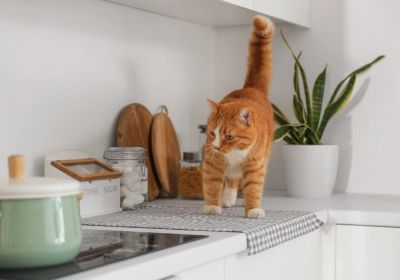
A ginger cat walking on a kitchen surface

My cat can't jump onto the worktop anymore - or takes a different route down

What you might see: Your cat finds a lower route onto furniture, hesitates before jumping, or has quietly stopped going to places they used to.


Why this matters: Cats hide pain well. They don't limp or cry, they just adapt. They find a different route, or stop doing the thing that hurts. Arthritis in cats is significantly underdiagnosed for exactly this reason.


What might be going on: Osteoarthritis. Very common in older cats - studies suggest the majority of cats over 10 have x-ray evidence of it.


What to do: Tell your vet. This is treatable. Effective pain relief exists and makes a real difference. 

Supplements alone are not enough - they can support a treatment plan but are not a substitute for prescription medication. Ask specifically about pain relief.


Further reading: Arthritis in cats — International Cat Care

My dog is stiff in the mornings

What you might see: Slow to stand after rest, creaky on the stairs, needs a few minutes before moving normally.

Behaviour changes, more "grumpy", growls at friends in the park, seeking less fuss from you.


Why this matters: Morning stiffness that eases with movement is a classic arthritis pattern. It is not just age - it is pain.


What might be going on: Osteoarthritis, most commonly affecting hips, elbows, and spine. 


What to do: See your vet. Good pain management can transform quality of life. Supplements are not treatment - if your dog is stiff every morning, they need proper assessment and most likely prescription pain relief.

Night-time Restlessness

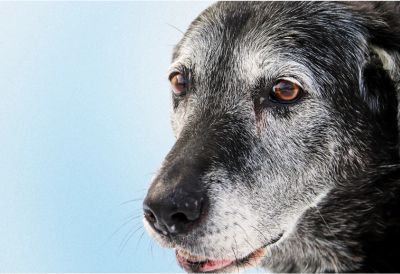
An older Labrador type dog looking confused

My older dog is unsettled in the evening

What you might see: Restlessness, pacing, unable to settle, waking you up, appearing anxious or confused; especially in the evenings or at night.


Why this matters: Not a habit, not old age. Night-time restlessness has real causes that can be investigated and treated.


What might be going on:

  • Canine Cognitive Dysfunction (CCD):  the dog equivalent of dementia. Disrupted sleep is a hallmark sign. Progression can be slowed with early treatment.
  • Pain: an uncomfortable dog cannot settle. Arthritis pain can still be present at rest.
  • Hormonal conditions: Cushing's disease and others can disrupt normal patterns.


What to do: Raise it with your vet. Be specific - when it happens, how long, what it looks like. Take videos if you can, this is really helpful.

There are treatment options.

My older cat is crying or miaowing at night

What you might see: Yowling or loud vocalisation (making noises) in the evenings or overnight, sometimes seemingly into space.


Why this matters: Commonly dismissed as "just what old cats do." It is not - it has causes, and it is distressing for the cat, and for you.


What might be going on:

  • Feline Cognitive Dysfunction (FCD) - disorientation and night-time vocalisation are common signs. Early intervention can slow progression.
  • Pain - particularly arthritis, but there are other causes.
  • Hyperthyroidism - very common in older cats. Causes restlessness, vocalisation, and weight loss despite a good appetite.


What to do: Get a vet assessment. Hyperthyroidism is very manageable. Don't accept "she's just getting old" without investigation.


Further reading: Cognitive dysfunction syndrome in cats - International Cat Care

Changes in Drinking

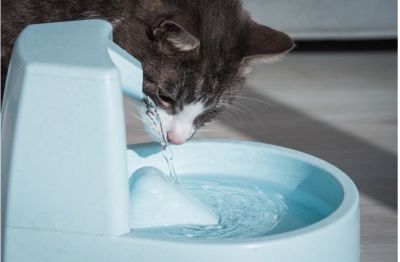
My cat is drinking more than usual

What you might see: The water bowl needs refilling more often. Your cat is at the bowl more frequently, and may be urinating (peeing) more.


Why this matters: Increased thirst in cats is not normal. It usually points to something going on unless it is particularly hot weather.


What might be going on:

  • Chronic Kidney Disease (CKD) - very common in older cats. Manageable, not curable, early detection matters.
  • Hyperthyroidism - often occurs alongside CKD or is confused with it.
  • Diabetes mellitus


What to do: See your vet. Blood and urine tests will usually give a clear picture. Bring a urine sample if you can - your vet can advise on how to collect one at home.


Further reading: Increased thirst and drinking in cats — International Cat Care

My dog is drinking more than usual

What you might see: Emptying the water bowl faster, needing to urinate more often, accidents in the house.


Why this matters: Increased thirst in dogs is not normal and usually points to an underlying condition, unless the weather is particularly hot.


What might be going on:

  • Cushing's disease (hyperadrenocorticism) - increased drinking and urination are common early signs, alongside a pot-bellied appearance and increased appetite.
  • Chronic kidney disease
  • Diabetes mellitus
  • Pyometra - a serious uterine infection in un-neutered females. Requires urgent attention.


What to do: See your vet. 

Before you go, measure drinking over 24 hours - one water source, measure what goes in and what's left. 50ml per kg of body weight is normal, Over 100ml per kg body weight per day is excessive. 

Take a urine sample if you can.

Dental Warning Signs

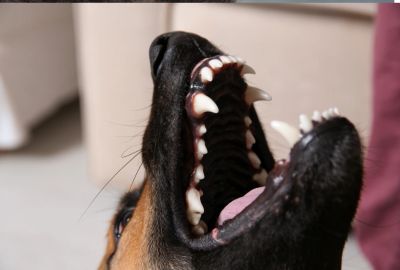
Dogs teeth, in very good condition

My dog has bad breath

What you might see: Noticeably unpleasant smell from the mouth. Sometimes drooling, reluctance to eat hard food, or pawing at the mouth.


Why this matters: Not just "dog breath." Significant halitosis usually means dental disease, which - once the teeth are diseased and the gums infected- is very painful, even when dogs show no obvious signs of it. 

Around 85% of dogs over three have some degree of dental disease.


What might be going on: Periodontal disease is the most common cause- the process of tartar and plaque build up, damage to the gums and support structures to the tooth, infection, loosening and ultimately tooth loss. 

Less commonly: tooth fractures, abscesses, oral masses.


What to do: See your vet. A full dental assessment requires anaesthesia - it is the only way to properly examine all teeth and take X-rays. 

If your dog is in pain in the meantime, ask about pain relief while you organise or save up for the procedure. Many vets don't offer this routinely, but they can and should. 

Talk to your vet about what is achievable within your budget.


Conscious tooth scaling and polishing as offered by some groomers IS not the answer. It will be incredibly uncomfortable for your dog and completely fails to deal with the issues- which sits below the gum line. The teeth might look cleaner, your pet is still in pain. 
My cat is chewing differently or dropping food

What you might see: Chewing on one side, dropping food, wanting to eat but walking away, increased drooling.


Why this matters: Dental disease in cats is common and painful. Cats can have severe dental disease with no obvious signs at all - which is why it is so often missed.

Dental checks are a really important reason for visiting your vet, or vet nurse for regular check ups as your cat gets older.


What might be going on: Periodontal disease, tooth resorption (unique to cats), tooth fractures, oral masses.


What to do: Raise it with your vet. If your cat is in pain, ask about pain relief while you make a plan for the dental. A full assessment requires anaesthesia. 

Coat Changes

My cat's coat looks scruffy or matted

What you might see: Dull, unkempt coat, or mats developing - particularly along the back and hindquarters.


Why this matters: Cats are fastidious groomers. When they stop, something is preventing them.


What might be going on:

  • Arthritis - a cat who can't comfortably reach their back end won't groom it. Matting along the lower back and tail base is a particular pattern.
  • Hyperthyroidism - scruffy coat alongside weight loss and vocalisation.
  • Obesity - an overweight cat may physically struggle to reach certain areas.
  • Systemic illness or pain generally.


What to do: Don't assume it's cosmetic. A change in coat condition warrants a vet check.

Rabbits

My rabbit has a watery or gunky eye

What you might see: Discharge from one or both eyes, wetness around the eye, or the eye appearing partially closed.


Why this matters: Eye discharge in rabbits is not simply conjunctivitis. It often points to something else.


What might be going on:

  • Dental disease - the roots of the upper teeth sit very close to the tear ducts. Dental problems, which are common and often invisible from the outside, can block or irritate the duct.
  • Upper respiratory infection
  • Blocked tear duct (usually associated with the teeth).


What to do: See a vet with rabbit experience. Eye drops alone won't fix the underlying cause. A dental assessment is usually part of the investigation.

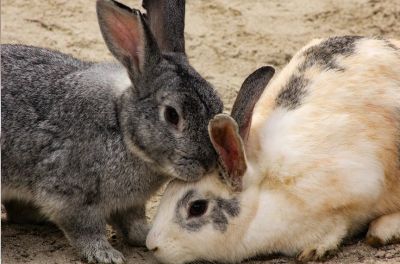
Two rabbits

My rabbit has wet or matted fur on their forelegs

What you might see: Damp or stained fur on the inside of the front legs, sometimes extending to the chin or chest - easy to mistake for normal grooming or water bottle spillage.


Why this matters: This is usually drooling. And drooling in rabbits usually means dental disease.


What might be going on: Rabbit teeth grow continuously and problems - spurs, misalignment, overgrowth - are extremely common and painful. A rabbit with dental pain may drool, soaking the fur they rest their head on. The problem is rarely visible from the outside, even to a vet, without sedation.


What to do: See a vet with rabbit experience. Don't put it down to the water bottle. Dental disease in rabbits is painful, progressive, and very underdiagnosed.

Don't Wait and See

A note on avoiding the vet

Two things stop owners going: worry about what might be found, and worry about cost.

On cost - ask your vet what is possible within your budget. A staged approach is often available: start with the most important tests, go from there. 

Even with limited funds there is usually something that can help, though some things - dentals in particular - are harder to stage.


On fear of what might be found, most of the conditions above are harder to manage the longer they are left. Finding something early usually means more options, not fewer.


For dogs, the BSAVA PetSavers Ageing Canine Toolkit is a free resource with a checklist covering many of the signs above - worth completing every six months.

For when you need more support

Your own vet is always the first port of call. 


Pet Lighthouse is for when that isn't enough - when the picture is complex, the decisions are hard, or you need someone to sit with you in the uncertainty and help you work out what comes next.


If this feels familiar and you would like to see if Pet Lighthouse is right for you, click below to book a free, no obligation call with Dr Caroline.

Book a free introductory chat

Copyright © 2026 Pet Lighthouse - All Rights Reserved.

  • Pet Welfare Guides
  • Privacy Policy

Powered by

This website uses cookies.

We use cookies to analyze website traffic and optimize your website experience. By accepting our use of cookies, your data will be aggregated with all other user data.

DeclineAccept