
- Home
- Book
- About Caroline
- Health & Welfare Guides
- Multiple conditions hub
- Multiple conditions
- Arthritis liver enzymes
- What new vet rules mean
- Pet Welfare Guides
- Caregiver Burden Guide
- Vet_Bills-The-Money-Talk
- How Will I Know
- Signs Not to Ignore
- Is Pet Medication Safe
- Second Opinion Guide
- The Enrichment Guide
- Pet Diagnostic Test Guide
- Your Pet's Care Team
- Is My Pet Overtreated
- Kind Words
- FAQs
- Contact Us
- Veterinary Professionals
- Newsletter sign-up
Is My Pet Being Overtreated?
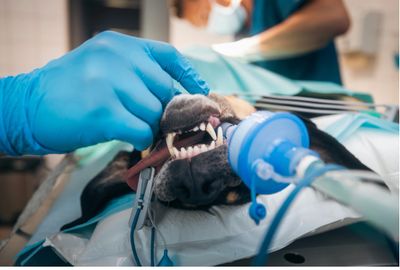
A practical guide for owners navigating complex care decisions
By Dr. Caroline Allen FRCVS, Founder of Pet Lighthouse · June 2026
I'm speaking at the large vet conference, BVA Live, this month alongside the BVA Senior Vice President on a topic that comes up in many of my consultations: when does treating an animal become too much?
This isn't a question anyone finds easy. Asking it can make you feel judged, as though you may love your pet less - that you're giving up, or being unreasonable. But I've sat with hundreds of owners navigating serious, complex illness, and I know that the opposite is often true.
Asking whether treatment is right for your animal, in this situation, is one of the most loving and courageous things a pet owner can do.
Two sides of the same problem
Here's what's striking.
BVA's Voice of the Veterinary Profession survey found that 61% of small animal vets have encountered owners requesting overtreatment for their pets. But the CMA investigation into the veterinary sector, and research from Which?, has surfaced something equally uncomfortable from the other direction: owners who felt they were pushed toward procedures they didn't fully understand, at costs they couldn't fully afford, without always being certain the treatment was truly in their pet's best interest.
Two groups, vets and owners, arriving at the same uneasy feeling from opposite directions.
That's not a coincidence. It's a signal that something needs to change in how treatment decisions get made and communicated. The good news is that there are questions you can ask and support available to help you navigate this.
What do we mean by overtreatment?
Overtreatment doesn't mean bad vets or pushy owners. It usually happens in a context of love, hope, tv shows and technology that have raced ahead of the conversations we have around it.
It means pursuing interventions that are medically possible but that - when you look at the whole animal, their age, their baseline quality of life, the side effects and recovery involved, are either going to:
- Significantly impact their wellbeing during the diagnostic and treatment process, without appropriate or effective mitigations being provided
- Be unlikely to result in a genuinely good life for them at the end of it.
- Some combination of both of these.
Modern veterinary medicine can do extraordinary things. But "everything possible" and "everything beneficial" aren't always the same thing.
In busy first-opinion, or even specialist, practices under time pressure, the nuanced conversation about quality of life, prognosis, and what a procedure will actually feel like for your animal can be very hard to have.
Start with the right questions about testing
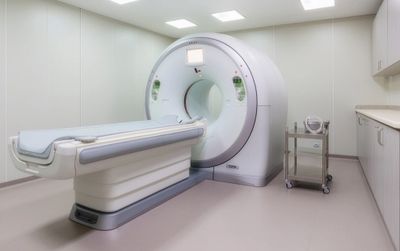
One of the earliest points where treatment decisions begin is diagnostics. This is where many owners first feel the pressure.
Advanced scans, repeated blood panels, specialist referrals: these are often genuinely valuable, but not always.
The golden question to ask before any test is: "How will the result of this test change the plan for my pet?" If the answer is that it won't, it's worth pausing.
Our Diagnostic Test Guide covers this in full, including how to understand your own risk appetite.
My personal experience
When my own dog Tilly developed signs that pointed toward a cancer in her gut, we faced exactly this decision. She had other health issues, found vet visits deeply stressful, and the prognosis for cure was poor.
We decided not to pursue surgery which carried its own significant welfare cost.
Instead, we focused on managing her comfort and quality of life for the time she had left. It wasn't giving up. It was a considered decision that put her daily experience first, and it's one I don't regret.
That kind of decision is harder to make than it sounds, even for a vet, which is why having support helps.

Understanding quality of life: the emotional balance sheet
At Pet Lighthouse, we think about welfare as an emotional balance sheet.
Every day, your pet experiences positive gains - the sun on their fur, a favourite meal, the comfort of your company - and negative drains: pain, nausea, anxiety, frustration, or the exhaustion of a body that no longer does what it should.
Good welfare isn't the absence of illness; it's a daily life where the gains outweigh the drains.
Some negative experiences are so profound they become what we call welfare blockers - chronic pain, persistent breathlessness, unmanaged nausea - that effectively drown out everything positive, no matter how much love surrounds the animal. When treatment itself becomes one of those blockers, it's important to be honest about that.
Our "How Will I Know" guide goes into this in much more depth
When does treatment become too much?
There's no single threshold, but some markers are worth watching for:
- When medication can no longer manage your pet's distress.
- When clinic visits and recovery periods are causing more suffering than the treatment is relieving.
- When your pet has lost the ability to seek out their own comfort, or to engage with the things that gave them joy.
- When you find yourself coaxing them to eat, to move, to interact- sustaining an existence rather than supporting a good life.
Getting to this clarity while you can still think clearly - before a crisis forces the decision - is one of the most protective things you can do, for your pet and for yourself.
The antidote to both over-requesting from owners and over-recommending from vets turns out to be the same thing: a genuinely honest conversation about what treatment will actually feel like for the individual animal, and what a good life looks like for them from here.